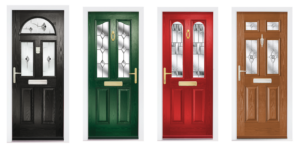
Quick Door Repairs: A Comprehensive Guide
Doors are a vital part of any home, serving both functional and visual purposes. Over time, however, they can become worn, damaged, or inefficient, leading to a series of concerns from drafts to security issues. Luckily, many door repairs can be managed quickly and effectively with the right tools and methods. This guide supplies an extensive introduction of typical door issues and how to address them, ensuring your doors remain in leading condition.
Typical Door Issues
- Sticking or Binding Doors
- Loose Hinges
- Damaged Locks
- Spaces and Drafts
- Broken Panels or Glass
- Worn Weatherstripping
Tools and Materials Needed
- Screwdriver (flathead and Phillips)
- Hammer
- Wood sculpt
- Wood filler
- Sandpaper
- Paint or stain
- Weatherstripping
- Replacement hinges
- Lock repair package
- Glass repair package
- Silicone sealant
Sticking or Binding Doors
Causes:
- Warping due to humidity
- Misaligned hinges
- Swollen wood
Solutions:
Adjust Hinges:
- Loosen the hinge screws somewhat.
- Tap the door into place with a rubber mallet.
- Tighten up the screws once again.
Sand the Edges:
- Identify the sticking area.
- Gently sand the edges with fine-grit sandpaper.
- Clean off the dust and test the door.
Lube the Hinges:
- Apply a silicone-based lubricant to the hinges.
- Open and close the door a number of times to operate in the lube.
Loose Hinges
Causes:
- Overuse
- Poor setup
- Loose screws
Solutions:
Tighten the Screws:
- Use a screwdriver to tighten all hinge screws.
- If the screws are removed, remove them and fill the holes with wood filler or a wood matchstick.
- Reinsert the screws and tighten.
Change the Hinges:
- If the hinges are seriously damaged, change them with brand-new ones.
- Make sure the brand-new hinges match the existing ones in size and finish.
Damaged Locks
Causes:
- Wear and tear
- Forced entry
- Corrosion
Solutions:
Lubricate the Lock:
- Use a graphite or silicone-based lube to maximize the mechanism.
- Place the secret and turn it several times to disperse the lube.
Replace the Lock:
- If the lock is beyond repair, replace it with a new one.
- Follow the manufacturer's directions for setup.
Gaps and Drafts
Causes:
- Worn weatherstripping
- Misaligned door frame
- Loose hinges
Solutions:
Replace Weatherstripping:
- Remove the old weatherstripping.
- Measure and cut the brand-new weatherstripping to fit.
- Set up the brand-new weatherstripping, guaranteeing it is snug and secure.
Change the Frame:
- Check for gaps around the frame.
- Use shims to adjust the frame and ensure a proper seal.
Seal Gaps:
- Apply silicone sealant to any spaces around the door frame.
- Smooth the sealant with a putty knife and enable it to dry.
Broken Panels or Glass
Causes:
- Accidental damage
- Vandalism
- Old and breakable materials
Solutions:
Replace the Panel:
- Remove the damaged panel.
- Procedure and cut a new panel to fit.
- Set up the brand-new panel and secure it with appropriate fasteners.
Repair or Replace Glass:
- Remove the broken glass thoroughly.
- Step and cut a new piece of glass to fit.
- Set up the brand-new glass and secure it with glazing points and putty.
Used Weatherstripping
Causes:
- Age
- Sun direct exposure
- Climate condition
Solutions:
Inspect Regularly:
- Check the weatherstripping for indications of wear.
- Change it as needed to keep an airtight seal.
Pick Quality Materials:
- Invest in top quality weatherstripping that can withstand the components.
- Consider materials like silicone or EPDM rubber for toughness.
FAQs
Q: How typically should I examine my door hinges?A: It's a great idea to inspect your door hinges a minimum of as soon as a year, particularly if you live in a humid or coastal location. Routine assessments can assist you catch problems early and avoid more substantial damage.
Q: Can I repair a sticking door without eliminating it?A: Yes, in most cases, you can adjust the hinges or sand the edges without getting rid of the door. However, if the door is severely deformed or damaged, you may need to remove it for a more comprehensive repair.
Q: What type of lube is best for door locks?A: A silicone-based lubricant is generally the finest option for door locks. repairing broken doors supplies a smooth, long-lasting service without attracting dirt or gunk.
Q: How can I prevent spaces and drafts around my doors?A: Regularly check and change used weatherstripping, guarantee the door frame is correctly lined up, and use silicone sealant to fill any gaps. Furthermore, keeping the door and frame well-maintained can help avoid concerns from establishing.
Q: What should I do if my door lock is jammed?A: First, attempt oiling the lock with a silicone-based lube. If that does not work, you might need to disassemble the lock to clean and repair the system. If you're not comfy doing this yourself, consider calling a professional locksmith.
Maintaining and fixing your doors is essential for both the functionality and looks of your home. By addressing common concerns like sticking doors, loose hinges, and damaged locks, you can guarantee your doors remain in top condition. Routine maintenance and timely repairs can extend the life of your doors and conserve you cash in the long run. With the right tools and techniques, many door repairs can be managed rapidly and efficiently, keeping your home secure and comfortable.
By following the steps described in this guide, you can deal with a range of door problems and keep your home looking its best. Whether you're a DIY lover or a property owner searching for useful options, these pointers and tricks will help you keep your doors with self-confidence.